
What to Do When your Anger Becomes a Problem (Part 1)
What to Do When your Anger Becomes a Problem
Part 1
By Durwin Foster, M.A.
Registered Clinical Counsellor
When acted upon as aggression, the emotion of anger causes significant suffering in the lives of both others and ourselves. During the last five years working as an anger management specialist, I have helped hundreds of individuals, mostly men, who have experienced significant losses in their lives as a result of their aggressive behaviors. They have hurt others, usually emotionally but sometimes also physically, and are now paying the price in terms of being separated from loved ones. Sometimes this separation includes being separated from their children — the most painful consequence of all.
Given the suffering I have observed, the goal of this piece is to share what I have learned from assisting clients, with the hope of preventing the kinds of situations that result in a prescription of mandatory or “highly recommended” anger management counseling.
Here is the key take-away: You can develop your emotional intelligence and learn the skills needed to have relationships with others in which your needs are met and the relationship itself is harmonious.

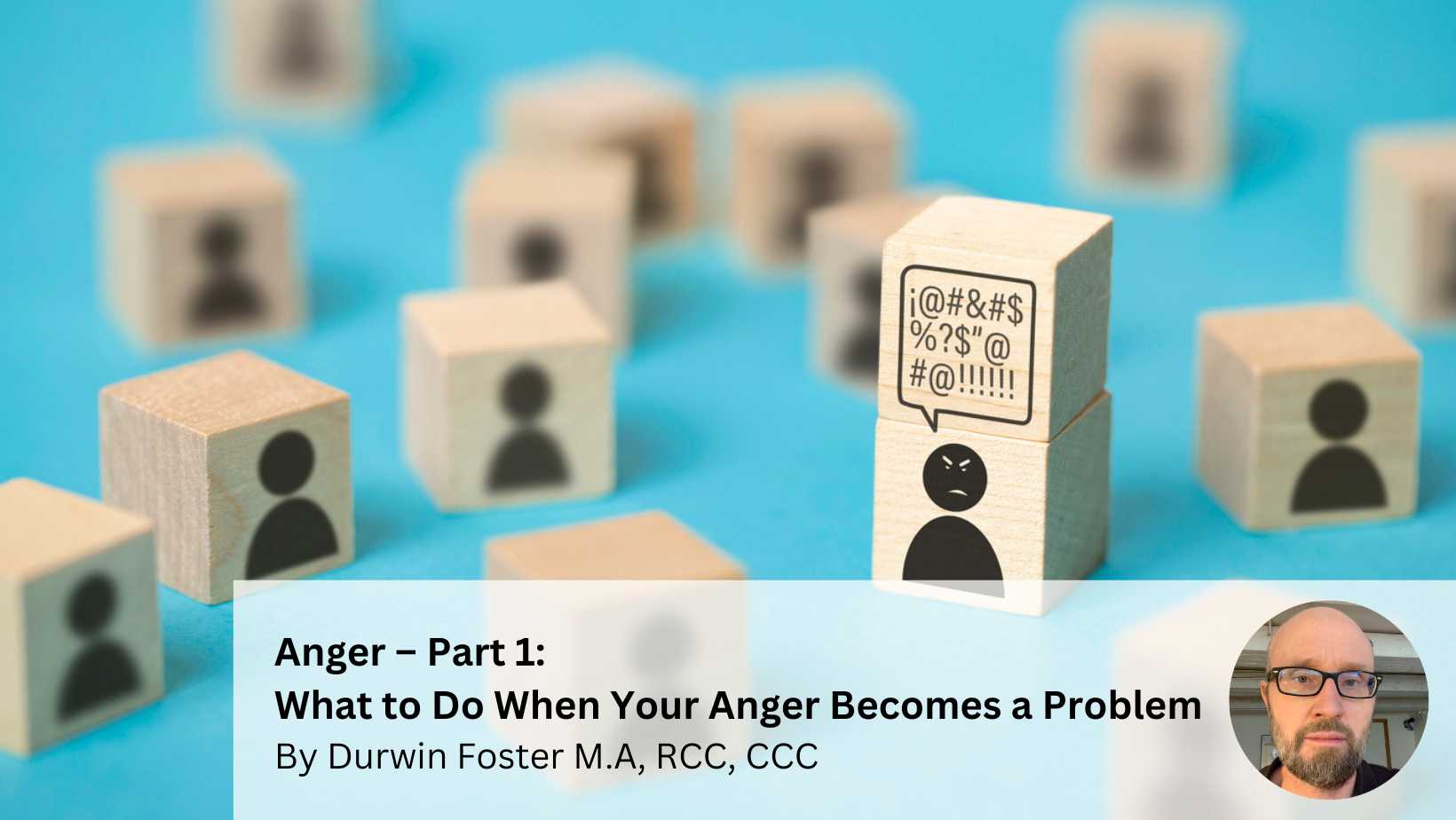
Step #1 Recognize you don’t need anger management, you need aggression management.
Anger is a normal emotion that arises when something you value is being threatened; in other words, it’s your protective, “boundary-setting” emotion. Additionally, we are all motivated to meet our needs, and when that movement towards need satisfaction is blocked in some way, we naturally feel frustrated. Thus, feeling angry isn’t itself a problem; on the contrary, it’s important to allow yourself to feel anger throughout your entire body.
The problem comes when our actions, rather than protecting our boundaries or helping us achieve our goals, violate the boundaries of others or the natural world; in other words, anger is a problem when our behaviors, rather than enacting our values, go against our values. At that point, we need aggression management.
In addition to being true, this new perspective is also useful because some of us learned early in life that it wasn’t ok to feel angry. If we perceive as children that our experience of anger is threatening to the adults in our lives, we will learn to repress it. While repressing anger is an understandable survival strategy in childhood and adolescence, it nevertheless contributes to states of depression over the long term. This new perspective helps you to allow yourself to feel anger fully but not “act out” aggressively; in making this change, you not only avoid causing harm to others, but also avoid one of the major causes of depression.
Step #2 Express the “Energy” of Anger In Service of Clarity
In the paragraph above, I suggested that we need to feel anger fully but not act out aggressively. This first step of adopting a new perspective will help but you will also need to change what you do with all of that energy. Changing how we respond to the emotion of anger is especially important.
The key is to express the intensity of the angry feeling, but to do so while refocusing the narrative self upon the desire for freedom and clarity. For example, you can pause, take three breaths, and look into what lies beneath the anger. Sometimes, if you take the time to be curious, you’ll find some unexpressed need underneath the strong emotion (see part 2 of this article for details). When we can find our unexpressed need and articulate it clearly, it can bring deeper intimacy to our relationships rather than further separation.
Another example of what you can do if you are feeling strong anger is to stamp your feet while saying “free my mind!” and “free my heart!”. This approach draws on a Buddhist teaching of Tog Chod; which translates as the practice of cutting through thought and emotion. Sometimes, just a few peaceful breaths aren’t enough, so taking some sort of embodied action like stomping, yelling, and moving the body in some vigorous way is just the antidote we need to release some of the angry energy. This process releases some of the intensity and can give us more space to discover what is there underneath the anger.
Whether you use peaceful or more intense methods of interrupting the anger, underneath the experience is often a desire for clarity, a need for protection of self or other, or a boundary that has been crossed that needs to be reestablished. All of these are positive and healthy expressions of anger. In this way, the emotion of anger holds important information.
When we learn to express ourselves from a place of clarity based on our needs rather than through aggression, we have a better chance of actually having our needs met. I hope the next time you feel a sudden burst of anger you remember to pause and try one of these methods. Instead of acting out in aggression, see if there is a chance to discover more about yourself and what lies underneath the anger.
For more details on accessing your unmet needs, check out the second part to this article: Expressing Anger as Nonviolent Communication.