
What Is Shadow Work? Understanding the Hidden Influences Behind Our Reactions
In personal growth, it is common to understand your emotional and behavioural patterns, while still noticing yourself fall back into old reactions in certain situations.
You may understand how past experiences have shaped you. You may recognize patterns such as becoming defensive during conflict, shutting down in difficult conversations, people-pleasing, feeling easily rejected, or reacting with anger or anxiety that feels bigger than the situation itself.
You may have also spent time working on yourself through counselling, support groups, personal development, or self-reflection.
And still, even with that awareness, certain situations can trigger strong emotional responses.
This can feel discouraging, but it does not mean something is wrong with you.
Often, it simply means there are deeper layers of healing still asking for attention.
Shadow work offers a gentle way to explore the parts of ourselves, and our histories, that have been hidden, avoided, or pushed aside. By meeting these parts with curiosity rather than judgment, we can begin to understand how they continue to shape our thoughts, emotions, and behaviours today.
The goal is not to get stuck in the past. The goal is to become more intentional, less reactive, and less controlled by the experiences that shaped us.
What Does Shadow Work Mean?
The term “shadow” refers to the parts of ourselves that have been pushed out of awareness, the parts of ourselves we don’t always see or understand.
These can include emotions, memories, beliefs, or experiences that felt too overwhelming, unsafe, or painful to hold at the time. In many cases, they were never intentionally buried. They were simply set aside as a way to cope and keep going.
For many people, this begins early in life. A child who grows up in an environment where emotions are dismissed may learn to suppress sadness. Someone who experiences criticism may learn to hide vulnerability. Others may disconnect from difficult memories because facing them feels like too much.
Over time, what gets pushed aside does not disappear. It can still affect how we think, feel, and respond in the present, even when we do not realize it.
When Reactions Feel Bigger Than the Moment
One sign that something deeper may be at play is when our emotional reaction feels bigger than the situation in front of us.
Maybe a text message goes unanswered and you find yourself feeling unexpectedly hurt or rejected. A small disagreement turns into anger that is difficult to let go of. Constructive feedback feels like a personal attack. A passing comment stays with you for days.
Most of us have had moments like these. We know part of us is reacting to what is happening right now, but another part seems to be carrying something more.
Often, the present situation is touching an older wound. The event itself may be small, but it activates feelings that have been building for years. Experiences of rejection, criticism, abandonment, shame, or not feeling seen can leave an emotional imprint that continues to influence us long after the original event has passed.
Shadow work helps us make sense of these reactions. Rather than seeing them as signs that something is wrong with us, we begin to understand them as messages. They point toward parts of our story that may still need attention, compassion, and healing.
As these patterns become clearer, we create more space between the trigger and the response. Instead of reacting automatically, we gain the ability to pause, understand what is happening within us, and choose how we want to respond.
The Body Carries What the Mind Tries to Forget
Understanding patterns intellectually is helpful, but it is not always enough.
Many emotional experiences can be felt in the body, not just remembered in the mind.
Tension in the shoulders during conflict. Tightness in the chest when feeling criticized. A heavy feeling in the stomach when faced with uncertainty. A sudden increase in heart rate before we are even fully aware of what we are feeling.
These physical responses are part of the nervous system’s protective design. The body reacts quickly based on past experiences it has learned to associate with threat or discomfort.
Shadow work includes paying attention to these signals. The body often communicates what the mind has not fully processed yet.

Curiosity Creates Space for Change
A key part of this work is learning to approach ourselves differently.
Many people develop a habit of self-criticism when they notice emotional reactions they do not like. This can lead to shame, frustration, or a sense of being stuck.
Shadow work invites a different approach.
Instead of asking what is wrong, we begin asking what is underneath the reaction.
Instead of judging emotions, we start observing them.
Instead of trying to push discomfort away, we begin understanding where it comes from.
Curiosity does not excuse behaviour, but it does create space for awareness. That awareness is what allows change to happen.
Working With the Nervous System, Not Against It
Shadow work is not about forcing yourself to relive painful experiences or pushing into areas that feel overwhelming.
Healing is most effective when it is done in a way that respects your nervous system. This means moving at a pace that feels manageable, staying grounded, and building capacity gradually over time.
Some people come to this work after already engaging in counselling, anger management, or other forms of personal development. That foundation can make deeper exploration more supportive and stable.
The focus is not intensity. The focus is readiness, safety, and awareness.
Ready to Explore What Has Been Running Beneath the Surface?
Shadow work creates space to look at the patterns, emotions, and experiences that may still be influencing how you respond in your daily life.
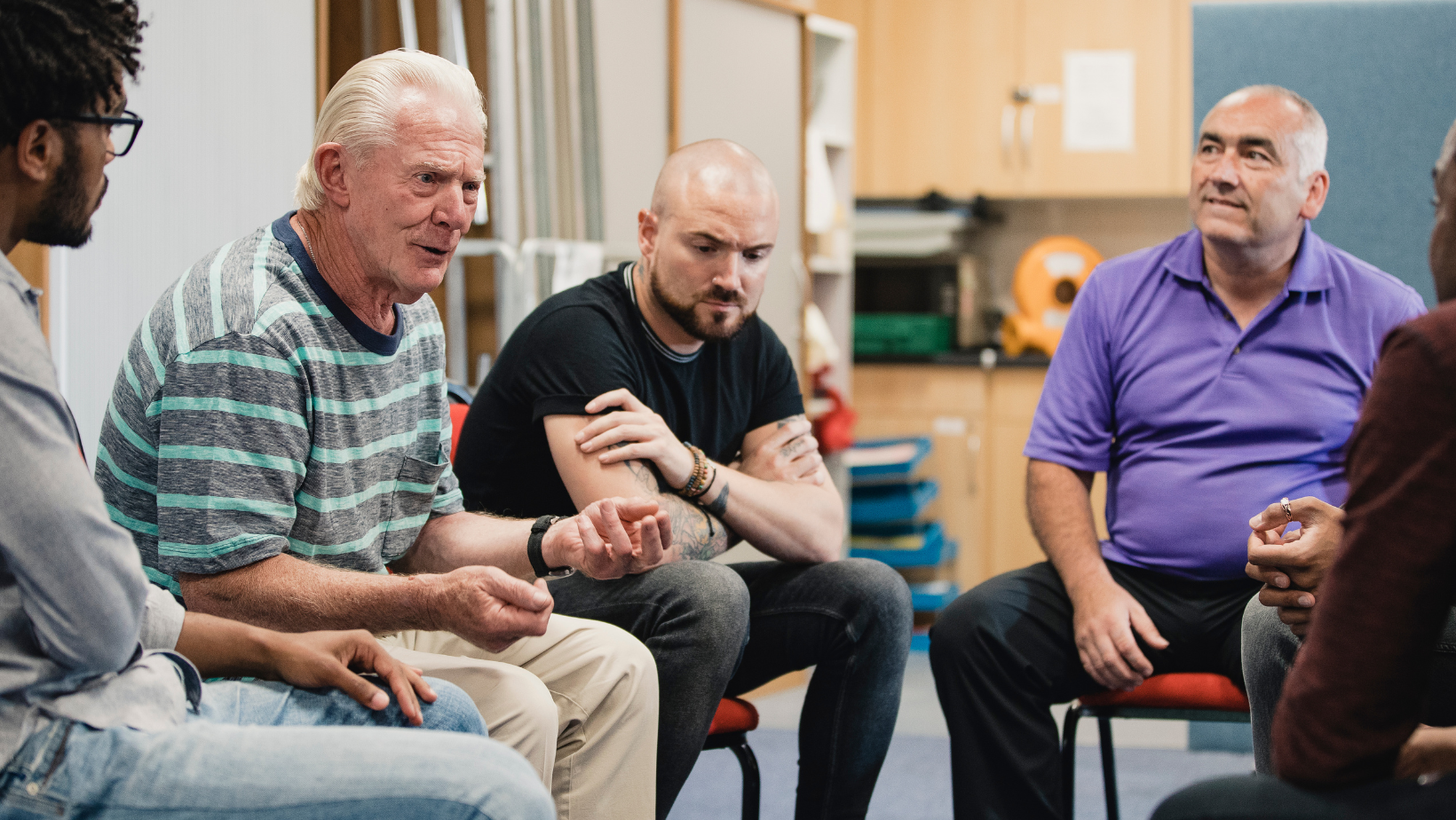
At Moose Anger Management, we support individuals one-to-one, through structured workshops and group programs that help them explore anger, emotional patterns, and deeper layers of personal history in a grounded and supportive way. These spaces are designed to meet you where you are, especially if you have already begun doing some personal work and are ready to go further.
If you are looking for support in understanding your emotional responses and building healthier ways of coping, we are here to help.
Take the next step:
- Call us for a confidential consultation
- Join our group programs for men or women
- Access one-on-one counselling tailored to your needs
Visit angerman.ca or contact us at info@angerman.ca or 604-723-5134 to learn more.